In the operation and maintenance of power systems, regular inspection and condition assessment of transformers and auxiliary equipment are key measures to prevent faults and ensure power supply reliability. Recently, the QLDH-5100 loop resistance tester, developed and manufactured by Baoding Qilida Electric Technology Co., Ltd., successfully diagnosed an abnormal contact resistance at the cable joint of a high-voltage bushing of an operating transformer during a routine inspection of a 220kV substation. Through on-site handling and retesting, the equipment was safely restored to operation, once again demonstrating the accuracy and practicality of our equipment in real-world applications.
Case Background
Hidden Dangers of Abnormal Temperature Rise in Operating Transformer Bushings
Date: January 18, 2026
Source: Baoding Qilida Electric Technology Co., Ltd.
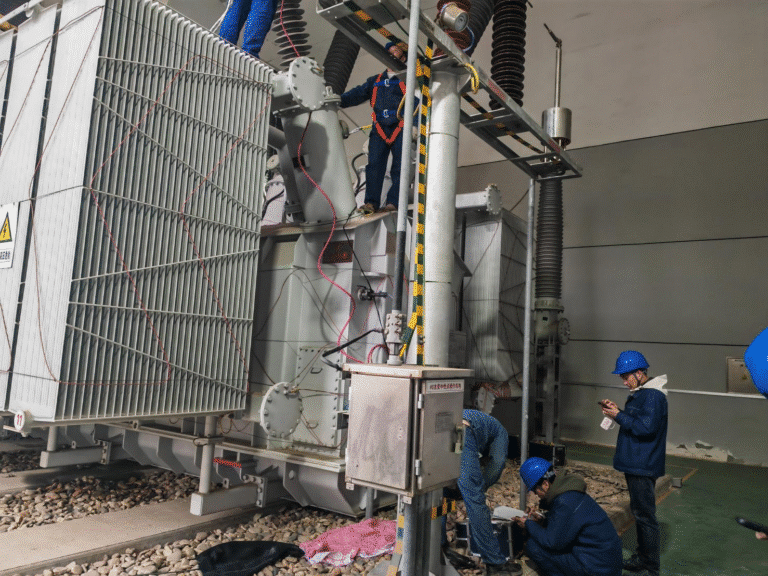
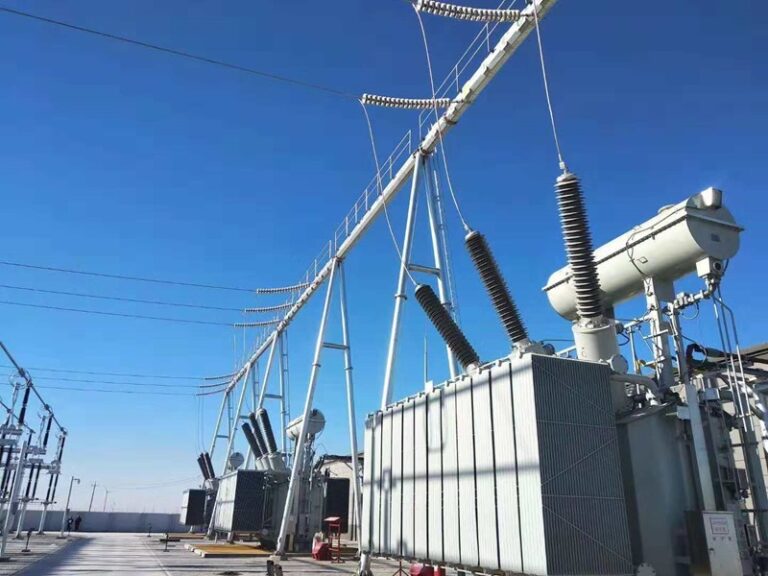
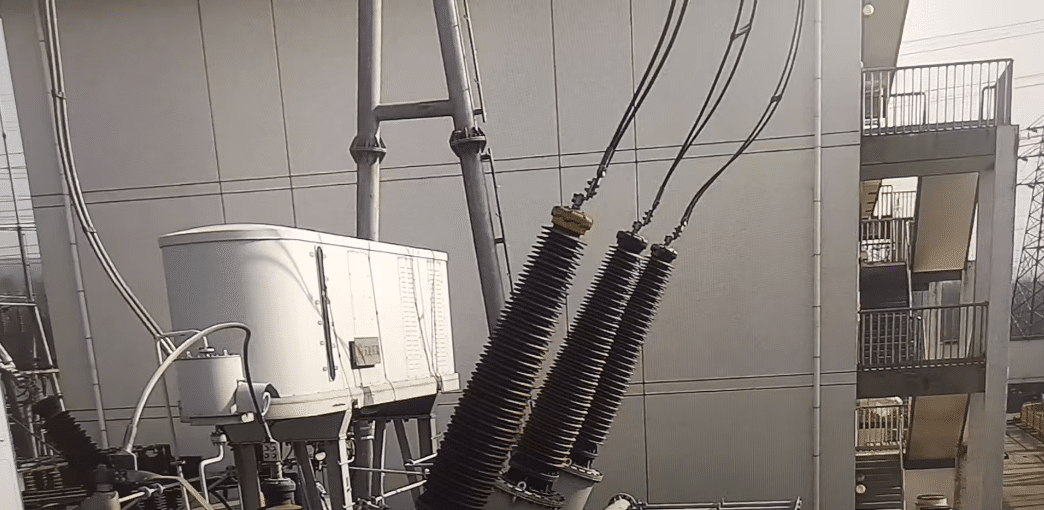
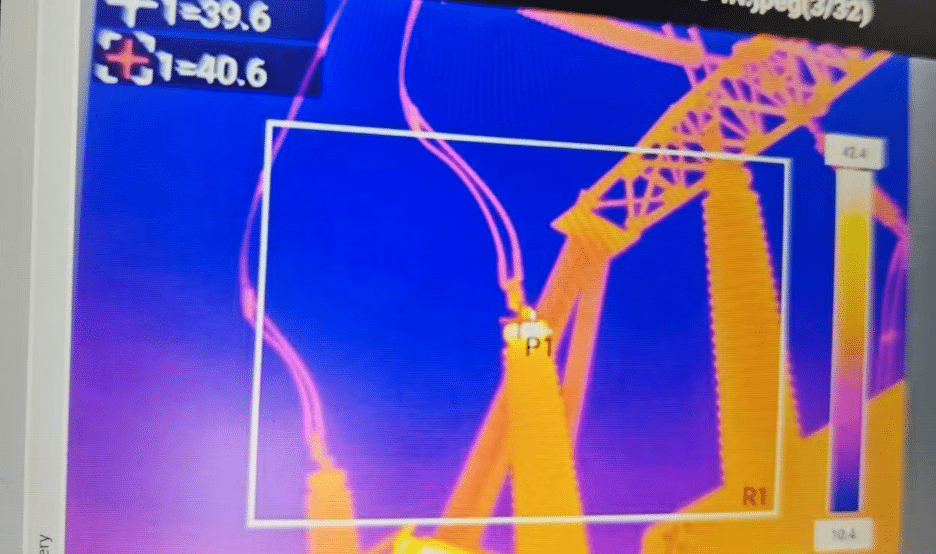
This case involves an operating 220kV, 110000kVA main transformer. During a routine infrared thermography inspection, on-site operators discovered that the temperature at the end of the high-voltage side B-phase bushing reached 19.5℃, while phases A and C were 3.5℃ and 3.2℃ respectively, with an ambient temperature of 2.1℃. The B-phase temperature was significantly higher than expected, failing to meet the temperature difference specifications for operating equipment. A preliminary assessment suggested that excessive contact resistance might be causing the overheating issue.
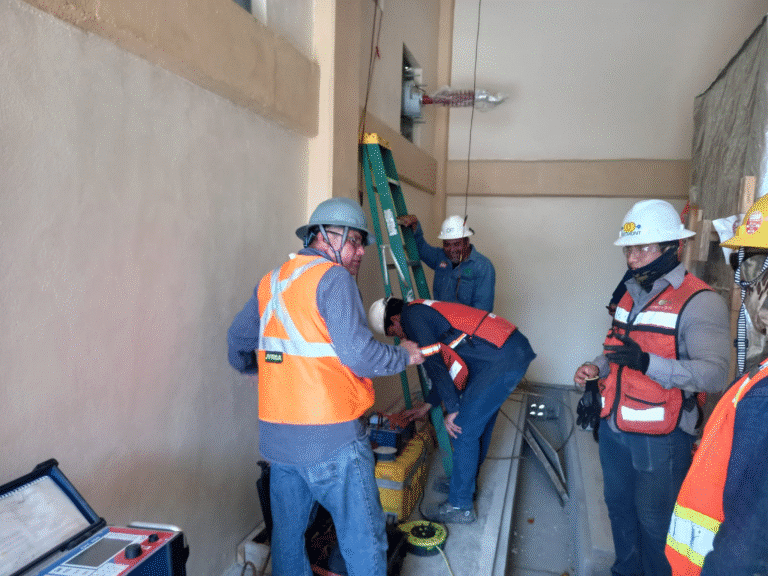
To ensure equipment safety, a power outage was initiated for inspection. A QLDH-5100 loop resistance tester provided by Baoding Qilida Electric Technology Co., Ltd. was used to test the loop resistance of the transformer’s high-voltage three phases (A, B, and C).
Testing Process and Anomaly Discovery
After the power outage, the testing personnel used the QLDH-5100 loop resistance tester to measure the loop resistance of the high-voltage three phases (A, B, and C). Preliminary test results showed:
Phase B circuit resistance: approximately 182 μΩ (significantly high)
Phase A circuit resistance: approximately 168 μΩ (within normal range)
Phase C circuit resistance: approximately 169 μΩ (within normal range)
Based on experience data from similar transformer equipment, the three-phase circuit resistances should be basically balanced under normal operating conditions, with a deviation generally not exceeding 2%. The significantly high resistance value of phase B confirms that the overheating may be related to poor contact at the joint.
Problem Location and On-site Handling
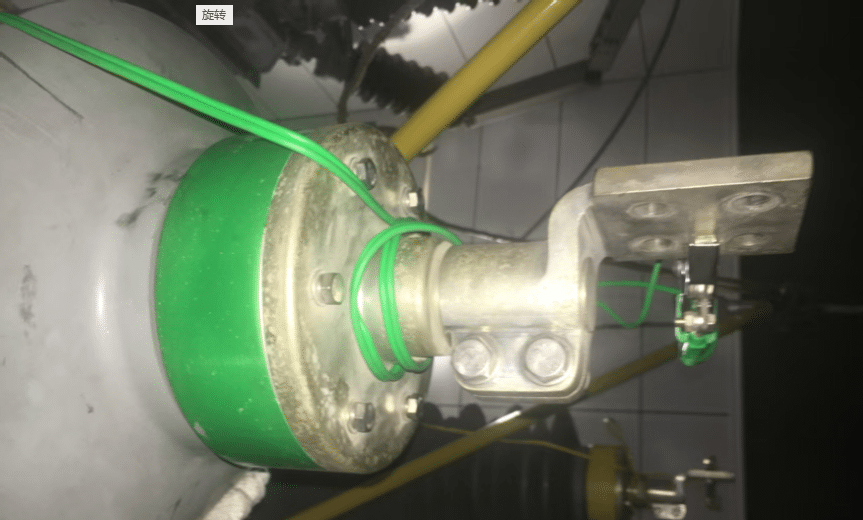
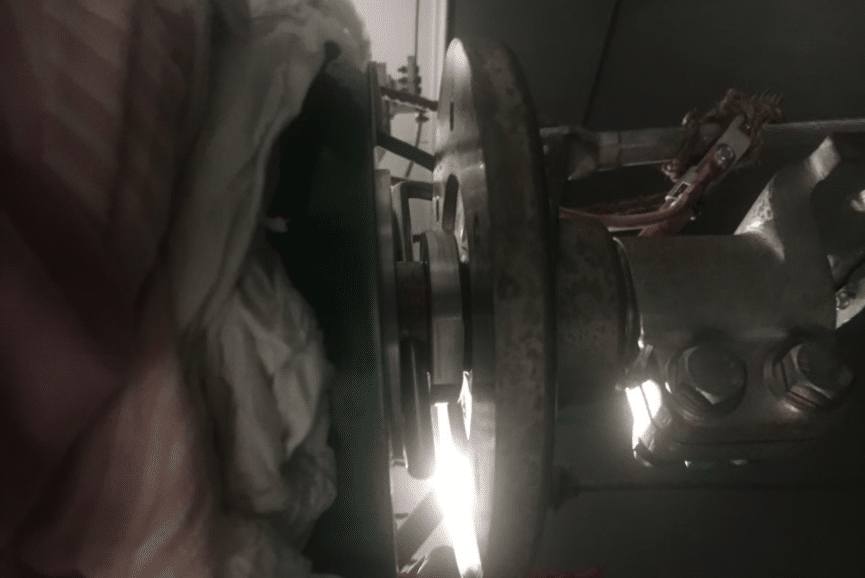
Based on the test results, on-site personnel opened the end of the phase B bushing for inspection and found obvious oxidation and blackening of the cable joint, confirming that increased contact resistance caused the overheating. The oxidized joint was then polished to remove the oxide layer and reinstalled and tightened.
After the treatment, the circuit resistance was retested using a QLDH-5100, and the data are as follows:
Phase B circuit resistance: approximately 170 μΩ
Phase A circuit resistance: approximately 168 μΩ
Phase C circuit resistance: approximately 169 μΩ
The three-phase resistance values have returned to balance and meet the equipment commissioning standards.
Operation Restoration and Effect Verification
After the transformer was energized, operators used an infrared thermometer to check the bushing ends again. The results were as follows:
Phase B temperature: 3.8℃
Phase A temperature: 3.6℃
Phase C temperature: 3.5℃
Ambient temperature: 2.3℃
The three-phase temperature difference returned to the normal range, and the equipment was operating well.
The Value of Technical Support from Baoding Qilida Electric Technology Co., Ltd.
In this case, the loop resistance tester demonstrated its three major advantages in on-site diagnosis and guidance:
1. High-precision measurement capability: The instrument can accurately detect micro-ohm resistance changes and quickly locate contact problems.
2. Convenient on-site operation: The equipment is lightweight and quick to test, suitable for emergency diagnosis and retesting in the operating environment.
3. Data-guided processing: By comparing the test data before and after, clear basis is provided for on-site processing, avoiding blind operation.
Baoding Qilida’s Core Commitment
Baoding Qilida Electric Technology Co., Ltd. is committed to providing highly reliable, intelligent, and easy-to-operate electrical testing solutions for global power systems. Our series of loop resistance testers not only boast high-precision measurement capabilities but also prioritize on-site practicality and data reliability, providing users with comprehensive support from testing and diagnosis to processing and verification.
Whether for routine inspections or troubleshooting, Baoding Qilida is committed to safeguarding the safe and stable operation of your power equipment with professional products and technical services.
About Baoding Qilida Electric Technology Co., Ltd.
Baoding Qilida Electric Technology Co., Ltd. is a high-tech enterprise specializing in the R&D, production, sales, and technical services of high-end electrical measurement and testing instruments. Our products cover a range of series including dielectric loss testers, instrument transformer comprehensive testers, loop resistance testers, high-voltage testing equipment, and relay protection testers, widely used in power systems, new energy, rail transportation, industrial manufacturing, and scientific research and education. We are dedicated to providing customers with comprehensive, high-value testing solutions.