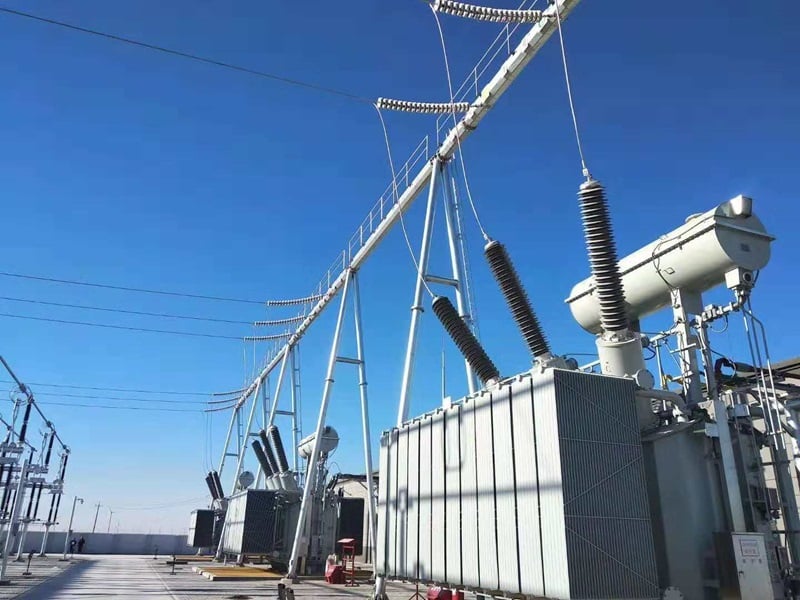

In the production and operation of power equipment, accurate measurement of dielectric loss is a crucial step in assessing insulation condition and ensuring the long-term safe and stable operation of equipment. Recently, the technical service team of Baoding Qilida Electric Technology Co., Ltd., leveraging its professional dielectric loss tester and extensive on-site diagnostic experience, successfully assisted a client in analyzing and resolving a typical case of excessive dielectric loss during transformer factory testing, once again demonstrating the importance of precise testing equipment and standardized methods.
Case Background: Troubleshooting Abnormal Dielectric Loss in Transformer Bushings
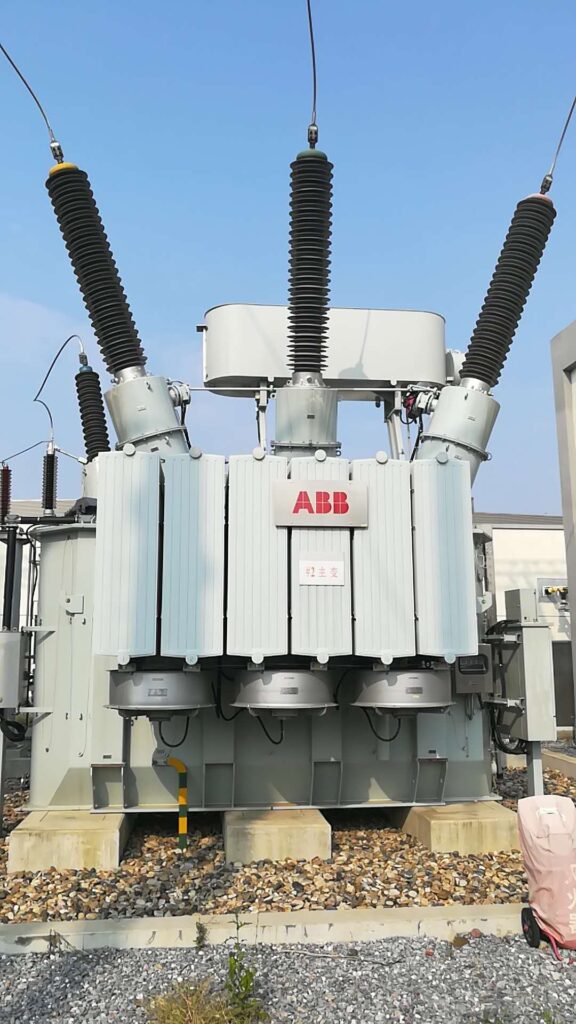
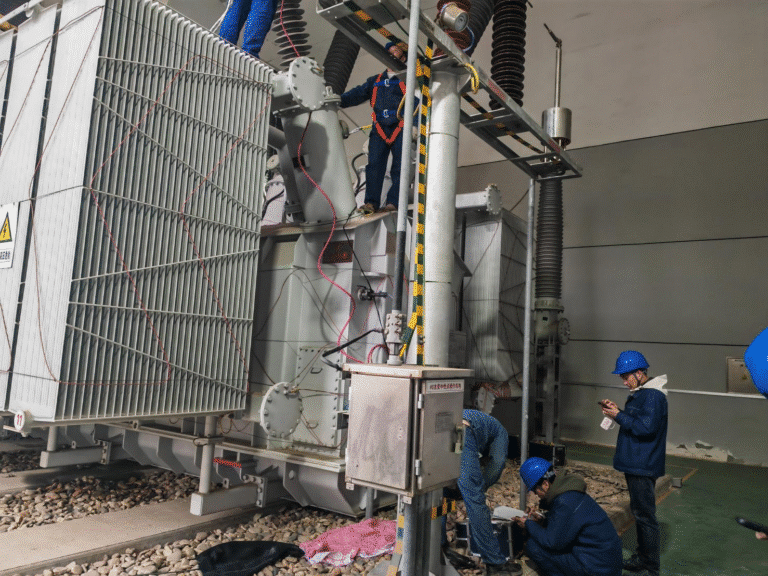
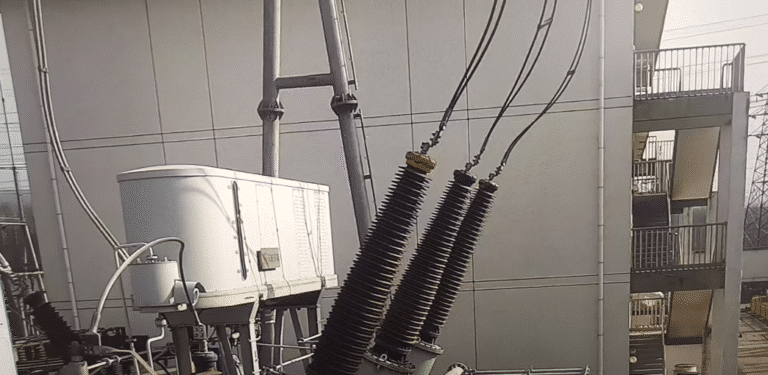
During factory testing of a 150MVA/220kV on-load tap-changing transformer, a transformer manufacturer discovered that the measured values of the main insulation dielectric loss of the U, V, and W phase capacitive bushings on the 220kV side (0.42%, 0.52%, and 0.68%, respectively) significantly exceeded the values in the individual bushing factory test report (approximately 0.32%). It is worth noting that the measured capacitance values of the three-phase bushings (approximately 420-426 pF) were basically consistent with the reported values (approximately 421-425 pF).
Preliminary Analysis and Problem Identification
Faced with this phenomenon, technical experts from Baoding Qilida Electric Technology Co., Ltd. quickly intervened. Based on in-depth analysis of the data obtained from the dielectric loss tester, they found that dielectric loss was generally increased while capacitance remained stable. This first ruled out serious internal breakdowns or other hard faults within the bushings (breakdowns are usually accompanied by a significant increase in capacitance). Therefore, the focus of the problem likely pointed to the testing environment or the testing method itself.
Root Cause Revealed and Standardized Operation
Through rigorous investigation, the root cause of the problem lay in the test wiring method. When the transformer windings were in an open-circuit state with voltage applied, the uneven potential distribution on the windings generated complex stray capacitive coupling. These interference signals entered the measurement circuit of the dielectric loss tester, resulting in a significant positive deviation in the dielectric loss reading, creating a false impression of “exceeding the standard.”
Experts from Baoding Qilida Electric Technology Co., Ltd. immediately guided the client to adopt standard and regulated testing methods:
1. High-voltage side short circuit: Reliably short-circuit all high-voltage winding terminals and the neutral point (if any) of the transformer using bare copper wire.
2. Low-voltage side grounding: Reliably ground the low-voltage side bushing after short-circuiting the high-voltage terminals.
3. Correct wiring: When using a **dielectric loss tester** for measurement, the high-voltage line should be connected to the high-voltage end of the bushing being tested, and the signal line should be strictly closed.
Core Values of Baoding Qilida Electric Technology Co., Ltd.
This case fully demonstrates:
Equipment Accuracy: Our **dielectric loss tester** possesses high sensitivity and anti-interference capabilities, accurately reflecting subtle changes in insulation status and providing a reliable data foundation for fault analysis.
Professional Solutions: We not only provide high-performance testing instruments but also dedicate ourselves to providing clients with complete solutions, including guidance on standard testing methods, helping users avoid common testing pitfalls.
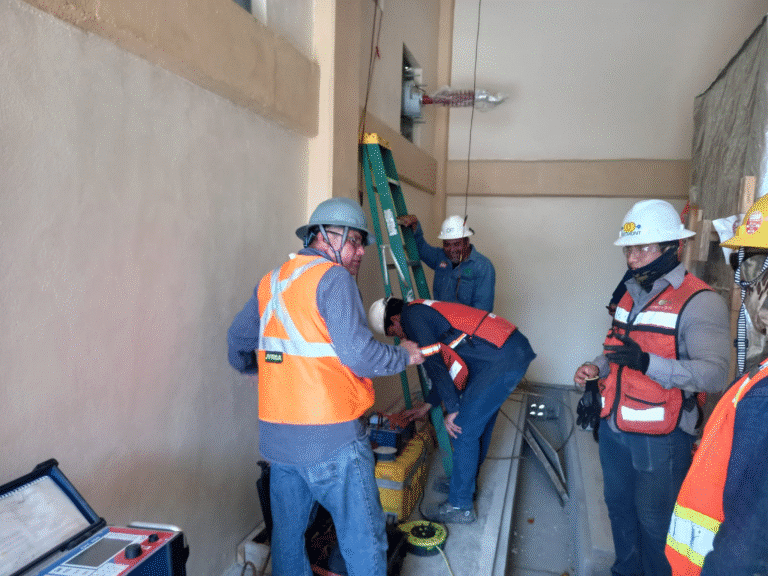
Service Support: A strong technical team can respond quickly, go deep into the field, and combine equipment data with theoretical knowledge to accurately pinpoint the core of the problem.
Baoding Qilida Electric Technology Co., Ltd. is dedicated to the research and development and manufacturing of power testing instruments. Our dielectric loss tester series, characterized by accurate measurement, stable and reliable operation, is widely used in insulation condition diagnosis and preventative testing of high-voltage equipment such as transformers, bushings, cables, and generators. It is a powerful tool for insulation monitoring in power systems, electrical equipment manufacturers, and large industrial and mining enterprises.
Choosing Baoding Qilida Electric Technology Co., Ltd. means choosing precision, professionalism, and peace of mind. We are committed to helping you build a strong safety barrier for your equipment and improve production and maintenance quality through excellent products and technical services.